
An interactive puzzle solving experience that adapts and reimagines iZone’s “Caving Gone Wrong: An Escape Room Experience” in VR!
About the Project
You are a dedicated contractor of the Studio X Mining Association who has been trapped inside a cave after an unfortunate incident. You must find a path to survival (all for the ability to clock in another day). Through the designated rest point, there is an abandoned tunnel leading to an exit. Unfortunately, it is blocked off due to past concerns raised about safety violations—something about missing guardrails and fall protection systems, and a few contracted workers getting lost in the tunnels. It is up to you to figure out how to escape before starvation creeps in (or worse!).
Studio X: Xscape the Cave is a puzzle-solving virtual reality (VR) escape room experience developed by Studio X staff and students using Unity as the game engine and Blender for 3D modeling. Original 3D assets were modeled and textured by the student-led modeling team and Unity development and puzzle implementation was done by the coding team.
Key Features
- Original 3D assets and textures: Features more than 100 unique, student-created models and textures.
- Interactive gameplay: Includes eight original, multi-stage puzzles that challenge users to explore and problem-solve.
- Cohesive environment: Brings custom assets, puzzles, and storytelling together within a unified and immersive world.
Bringing the Escape Room from Real Life to VR
This project is an adaptation of an in-person escape room experience titled “Caving Gone Wrong” created by Barbara J. Burger iZone, a library space on campus that helps students develop creative problem-solving skills.
The goal of the project was to adapt “Caving Gone Wrong” in the medium of VR. To achieve that, the modeling team digitized physical puzzle elements with references to the original escape room, and the coding team implemented the puzzle logic. Bringing the experience in VR also preserves the atmosphere and tactile problem‑solving of the physical experience while making it more accessible. VR also allows players to engage with the space more immersively than traditional digital formats like a video or a website, more closely capturing the puzzle elements that define the original experience.
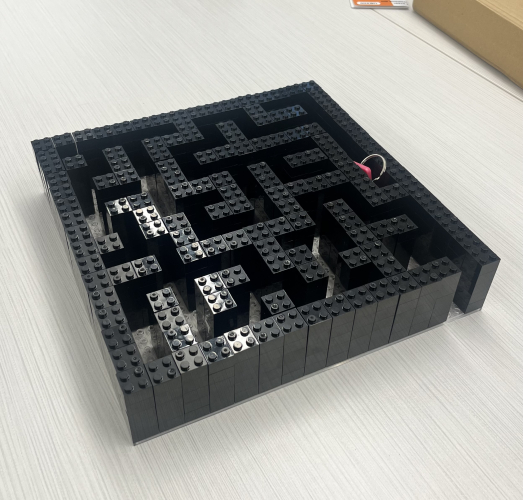
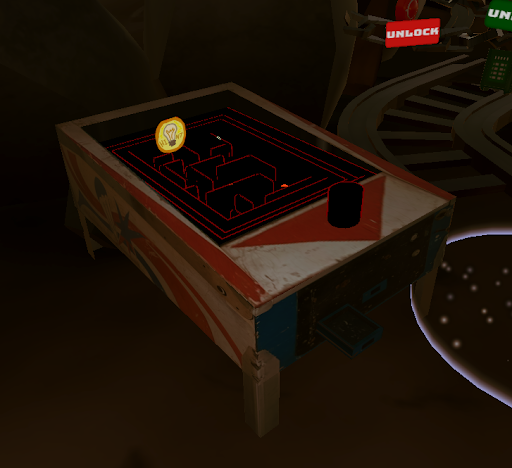
Certain puzzles or interactivity were not possible to recreate in VR. One example of this is the Key Maze puzzle. In the original in-person escape room, the Key Maze puzzle was a motion-based maze where the participant would have to rotate the puzzle in order for the key to fall out. This level of interactivity is too detailed for the physics engine, so this puzzle couldn’t be replicated in VR. It was instead adapted into an old-timey arcade game based on wooden labyrinth maze toys.
Environmental Design and Assets
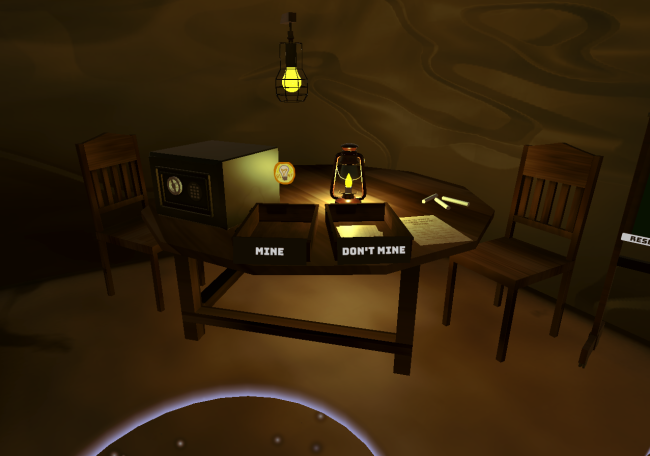
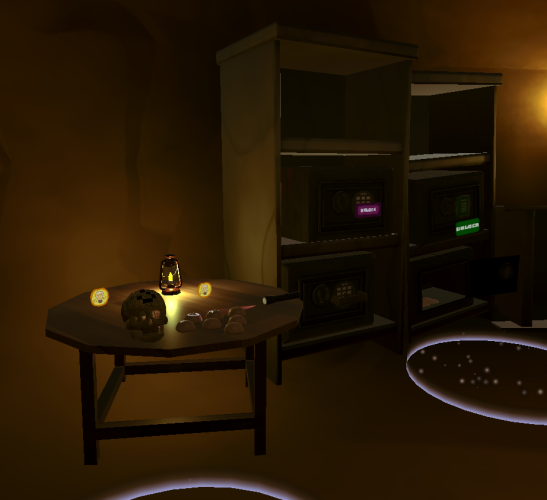
Environment design was a challenge for the team. The first room of the cave was laid out by the modeling team lead as puzzles were completed. Puzzle designs are adjusted as technical limitations or as VR compatibility was tested, placing related puzzles in close proximity drives player intuition on next puzzle steps.
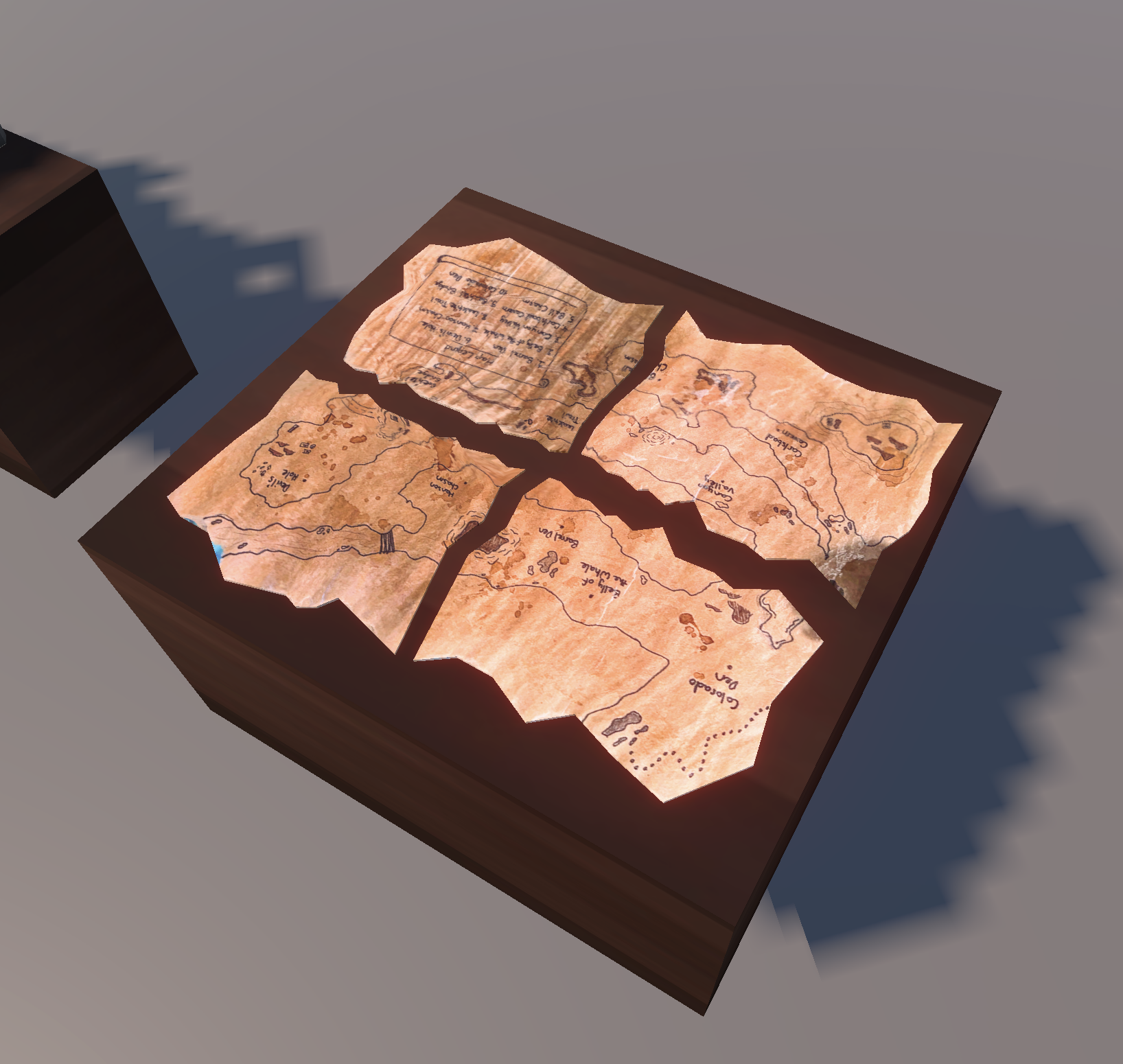
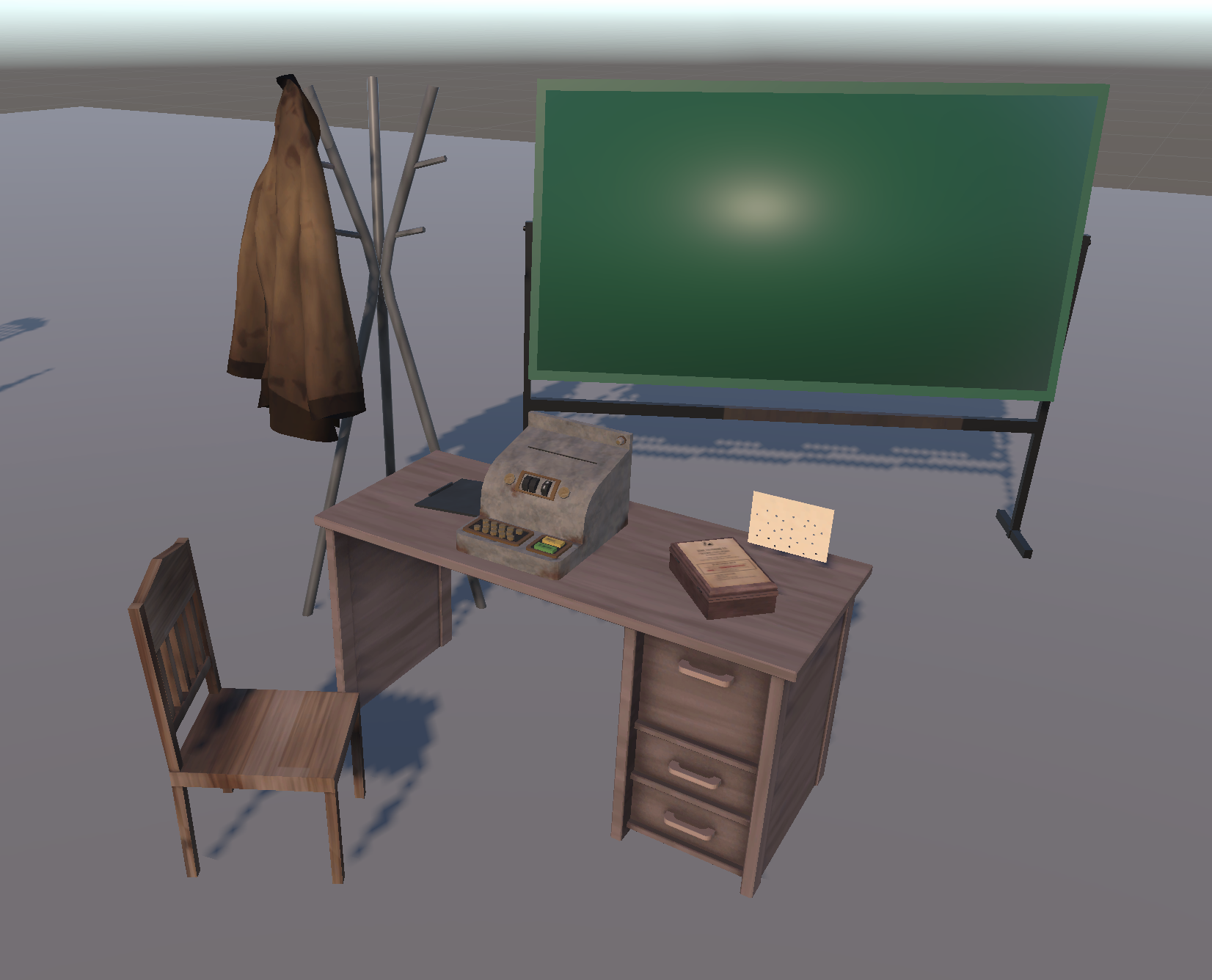
The modeling team created over 100 unique models for this project, completed with texture maps for custom materials.
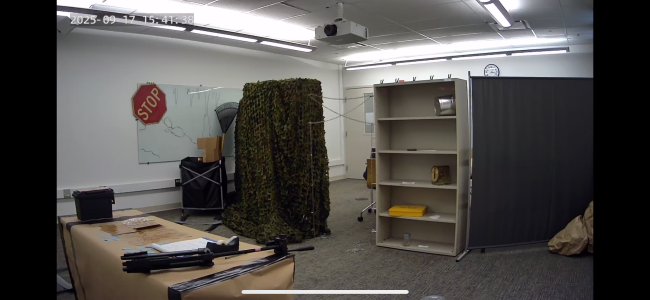
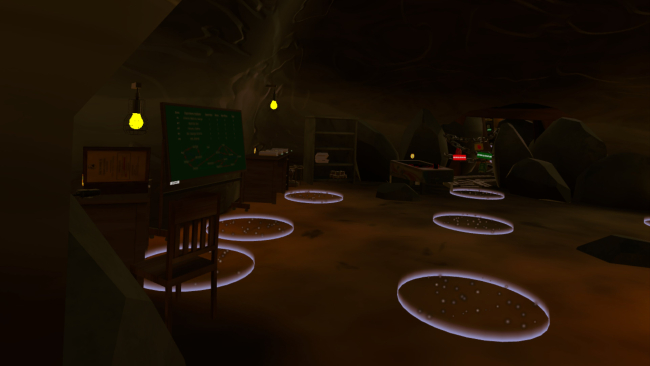
Teleportation zones were laid out as an alternative to continuous movement; newer VR users can find continuous movement motion sick inducing. As part of level design, the zones also visually indicate which areas contain puzzle elements relevant to the objective.
Asset Gallery
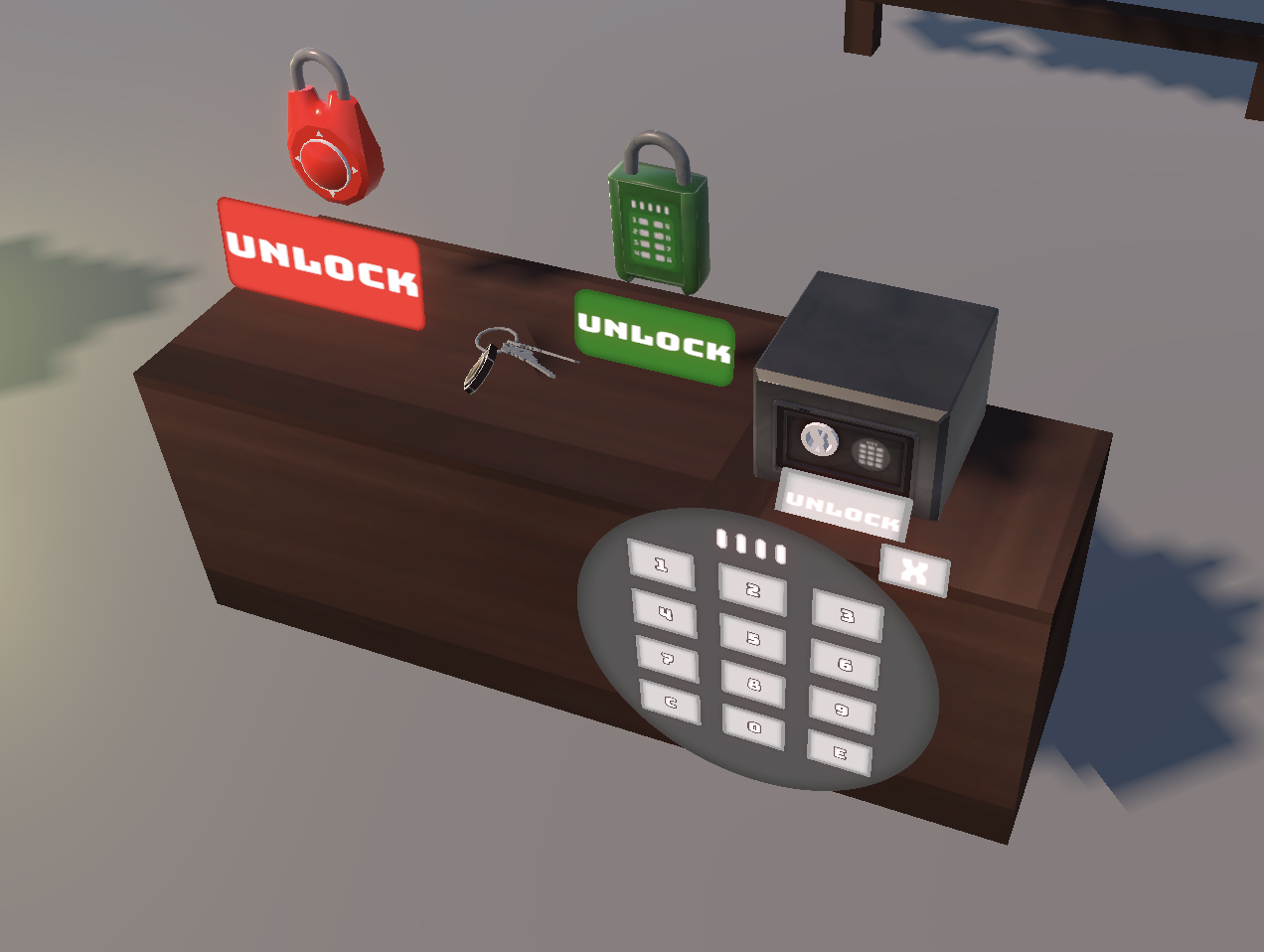
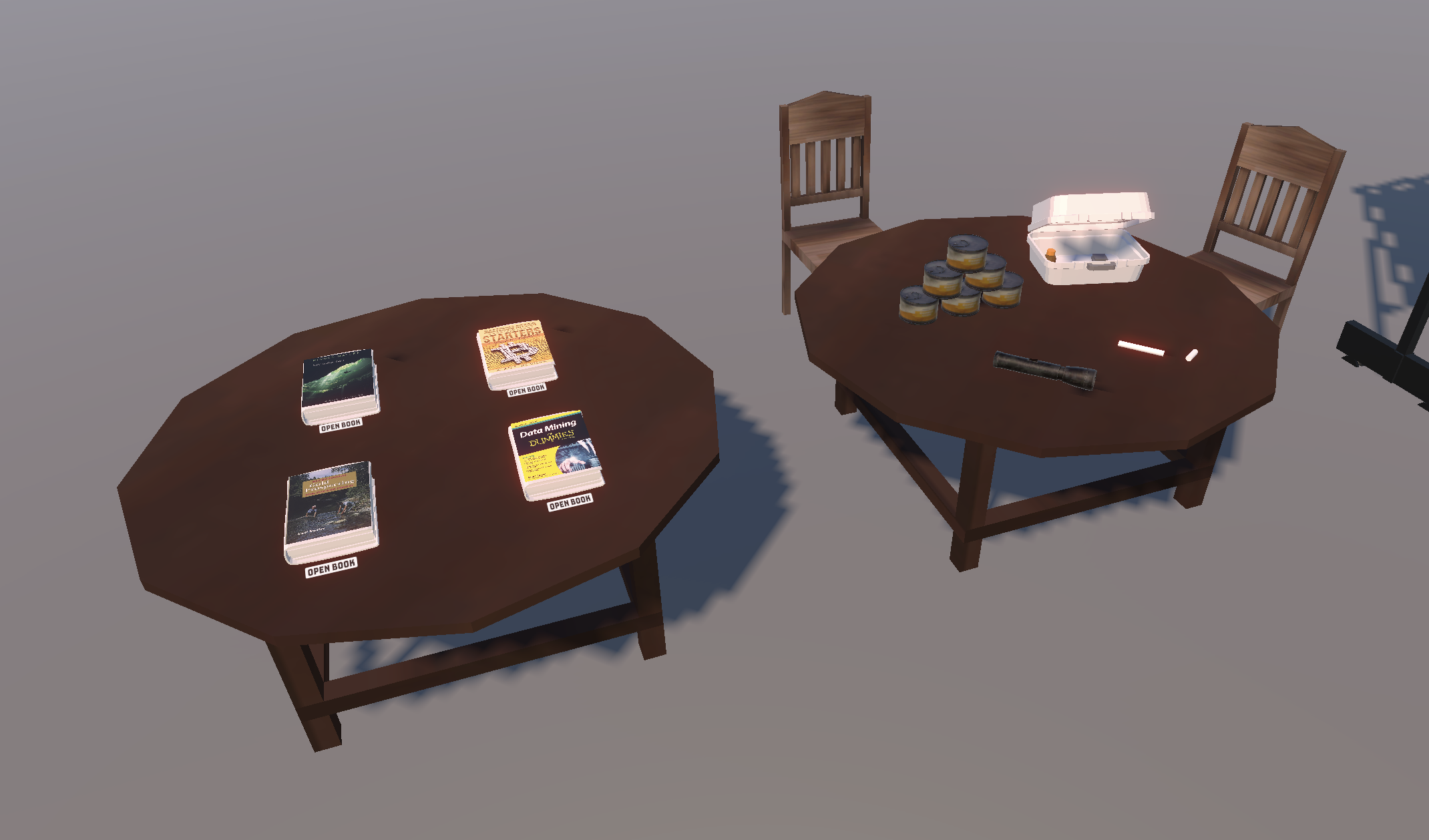
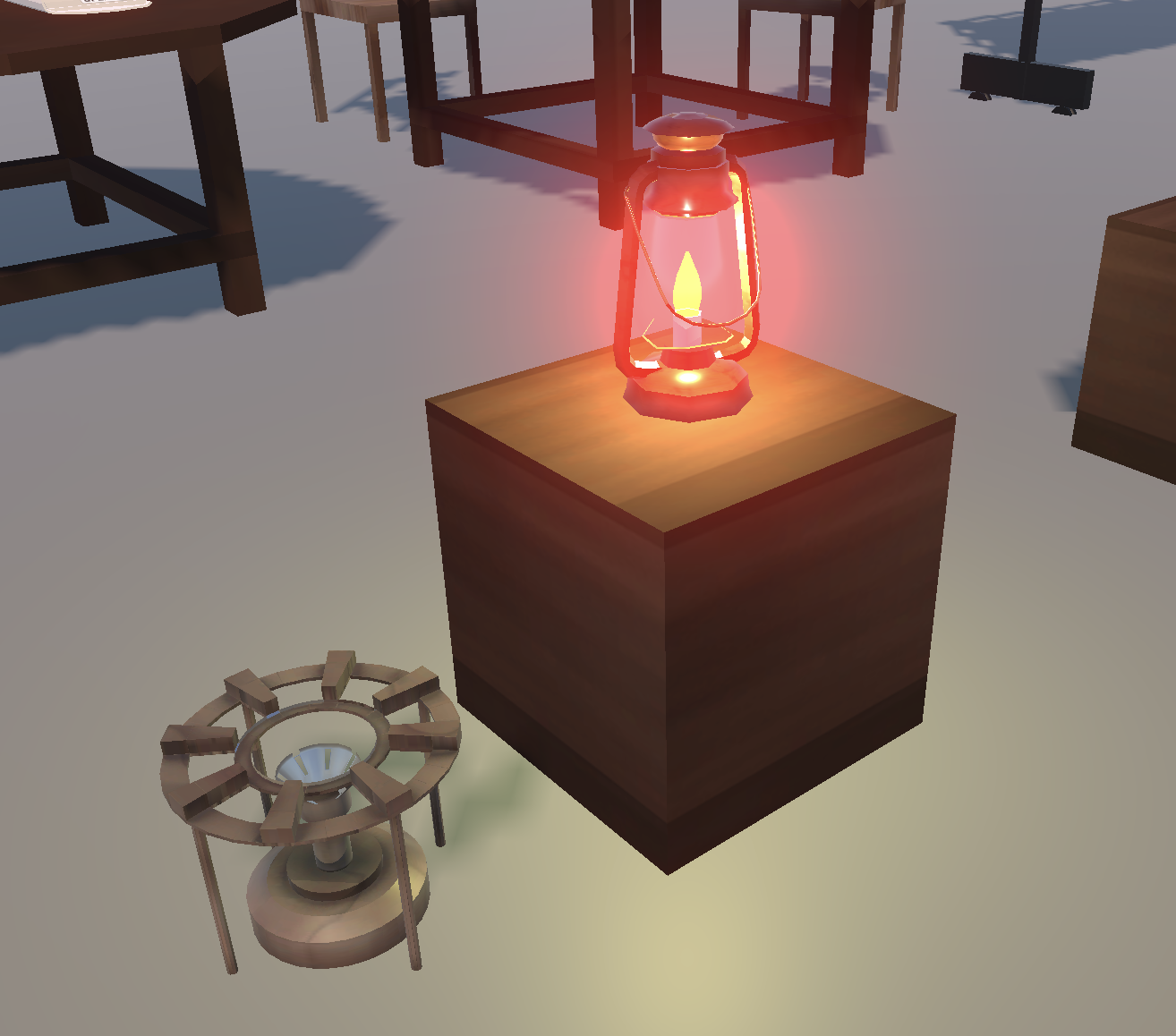
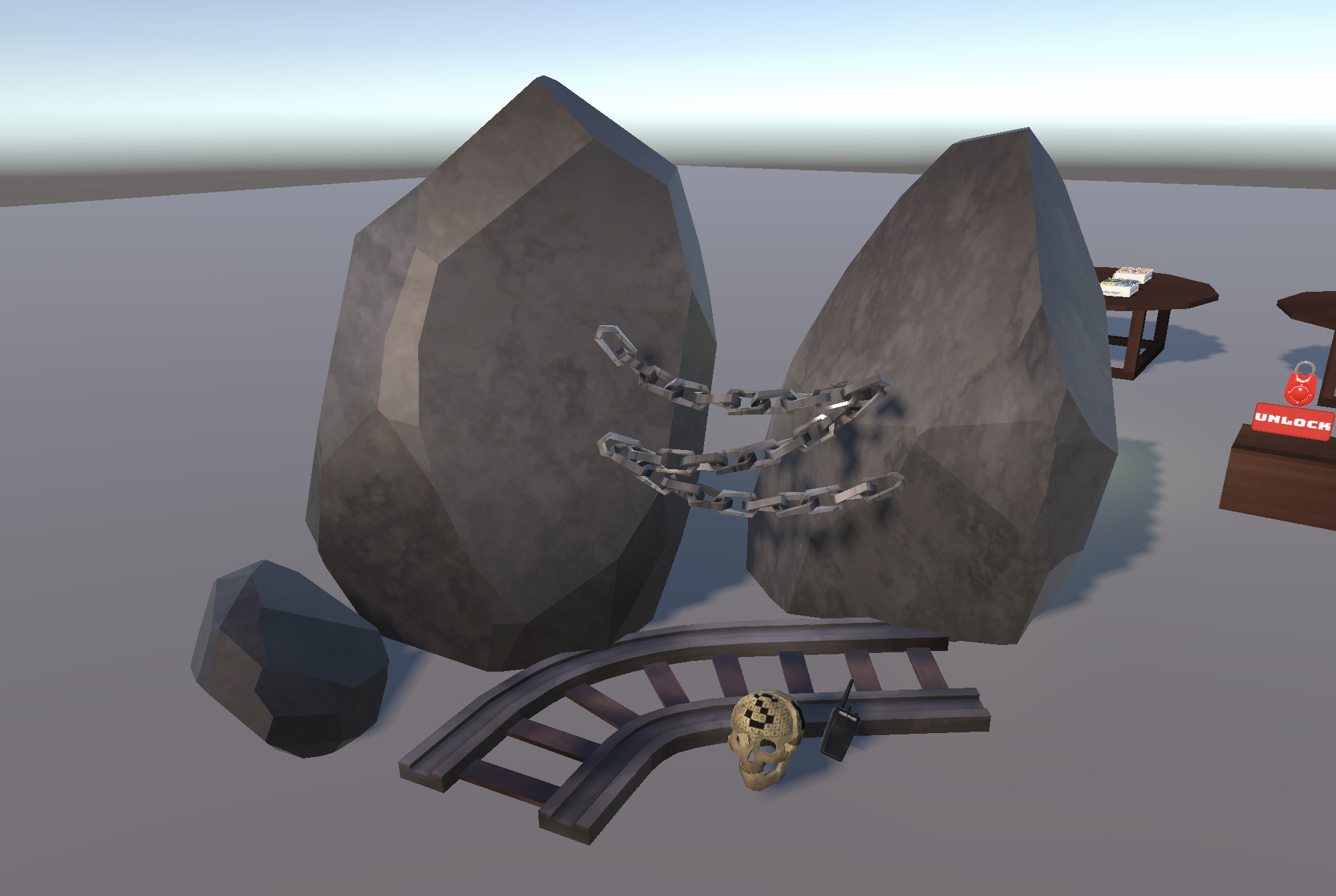
Project Team
Project Lead:
- Caleb Kohn-Blank '26 (Fall 2025-Spring 2026)
- Daniel Lin (Summer 2026)
Coding Team:
- Fenway Powers (Lead & Project Mentor)
- Sherkeem Duprey
- Jelena Hristov
- Ouriya Boshi Levine
- Daniel Lin (Fall 2025-Spring 2026)
- Ray Watkins
- Rain Xia
- Tianyu Zhang (Spring 2026)
Modeling Team:
- Aadi Rajbhandary (Lead)
- Heyji Kim (Fall 2025)
- Caroline Li '26
- Daniel Lin
- Tianyu Zhang (Fall 2025)
